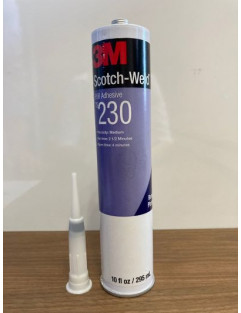
Error!

Adhesives and Sealants

Active filters

  • Brand: 3M
  • Brand: Sika
  • Brand: Tesa

Adhesives and sealants for professional applications – Professional bonding solutions from 3M

The adhesives and sealants in this category are designed to meet the needs of companies, workshops, and production departments that require reliability, repeatability, and long-lasting performance. Compared to traditional mechanical fasteners, they reduce weight and assembly time, better distribute stress, and improve the aesthetics of the joint. The range covers solutions for structural bonding, elastic sealing, temporary fixings, and thread locks for secure assembly.

Whether you’re working on industrial applications, automotive projects, or general repairs, we offer the ideal solution in our dedicated subcategories:

1. Structural Adhesive

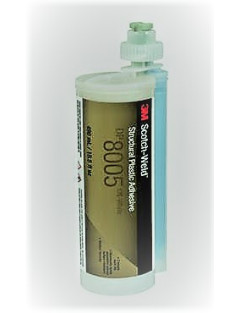
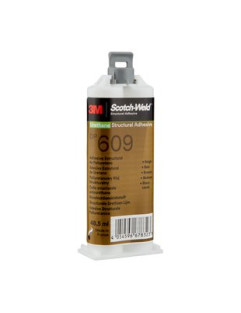
Structural adhesives are designed for high-strength bonds on metals, composites, and other rigid materials. They offer high mechanical performance, good fatigue resistance, and long-term stability even in the presence of vibrations and stresses. They are ideal for applications in the automotive, transportation, carpentry, industrial machinery, and component industries.

  • High mechanical strength on metals, composites, and some plastics
  • Good resistance to vibrations, impacts, and dynamic stresses
  • Ability to replace parts of welds, rivets, or screws
  • Versions with different workability and curing times

 2. Solvent & Water-based adhesives 

Solvent- and water-based adhesives are suitable for bonding large surfaces or porous materials such as fabrics, foam, rubber, wood, and some plastics. They are often used for cladding, paneling, soundproofing, wallpaper, and lamination.

  • Good adhesion to porous or flexible materials
  • Brush, roller, or spray application, depending on the product
  • Low-solvent or water-based options to reduce emissions and odors
  • Ideal for furniture, upholstery, fixtures, and light industry

 3. Cyanoacrylate adhesives (Super Glue)

Fast-acting, precision bonding ideal for small components and detailed work.

4. Thread lockers & Liquid seals

This family includes threadlockers, thread sealants, and locking products for cylindrical elements (e.g., bushings, bearings, gears). They are designed to prevent loosening due to vibration, ensure fluid tightness, and improve the reliability of assemblies.

  • Threadlockers for screws and studs with varying disassembly resistances
  • Sealants for threaded fittings to prevent liquid or gas leaks
  • Locking products for cylindrical couplings
  • Useful in maintenance, hydraulics, pneumatics, and industrial plant engineering

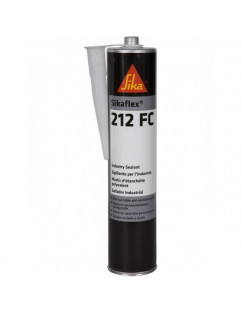
 5. Silicone sealants and polyurethane sealants

Silicone sealants offer high elasticity and excellent resistance to atmospheric agents, UV rays, and temperature changes. They are the ideal choice for sealing expansion joints, windows, glazing, and areas subject to movement.

  • High elasticity over time
  • Excellent resistance to UV rays, rain, frost, and heat
  • Suitable for glass, aluminum, ceramics, and many other substrates
  • Typical use in construction, windows, systems, and the naval sector

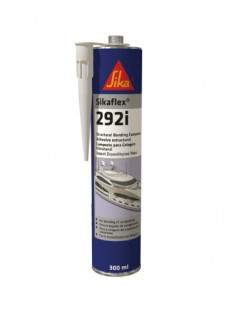
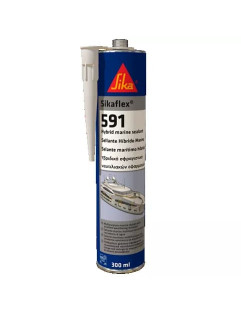
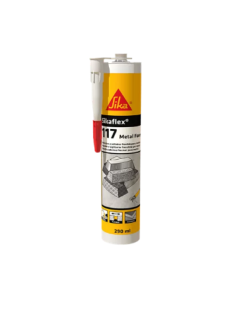
Polyurethane sealants combine good adhesion and mechanical strength with elastic behavior, making them suitable for structural joints and seals subjected to stress. They are widely used on sheet metal, bodywork, commercial vehicles, roofing, and metalwork.

  • Good adhesion to metal, paint, wood, and building materials
  • Resistant to vibration, impact, and movement
  • Can be painted after curing, depending on the product
  • Ideal for automotive, industrial vehicles, prefabricated buildings, and construction

6. Adhesives for plastics and difficult materials

For low surface energy plastics (e.g., PP, PE, or painted and powdered materials), specific adhesives and systems combined with primers are available. These products improve adhesion on typically critical substrates, reducing the risk of detachment over time.

  • Specific formulations for difficult-to-use plastics
  • Can be used with primers to increase surface wettability
  • Suitable for technical components, casings, profiles, and aesthetic covers
  • Designed for environments with temperature variations and mechanical stress

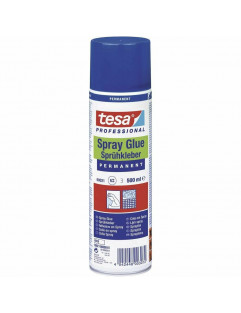
 7. Aerosol & Spray adhesives

Easy-to-apply solutions for large surfaces and lightweight bonding.

 8. Polyurethane adhesives

They are extremely versatile and have insulating properties; they are particularly suitable for creating strong and flexible bonds between different materials. Polyurethane adhesives can generally be single- or two-component.

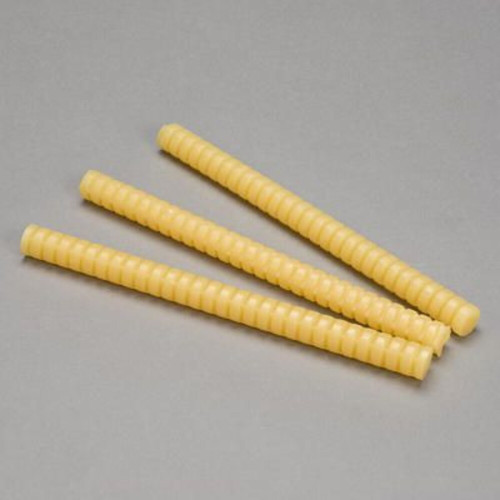
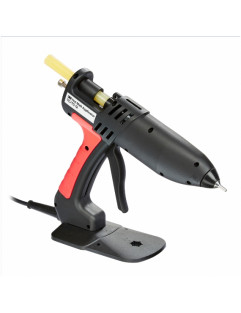
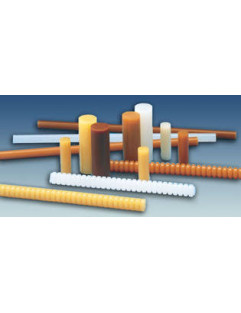
 9. Hot glue sticks

Ideal for quick, clean, and strong fixes in packaging, crafting, and light-duty applications.

Solutions by application sector

Automotive, transportation, and industrial vehicles

For bodywork, commercial vehicles, and road transport, adhesives and sealants allow you to secure panels, profiles, reinforcements, and accessories without perforating the surfaces.

They are essential for reducing corrosion, better distributing loads, and improving sound insulation.

  • Bonding panels, profiles, strips, and cladding
  • Sealing joints, roofs, wheel arches, and critical areas
  • Products resistant to vibration, weathering, and frequent washing

Construction, windows, and facades

In construction and window and door frames, silicone and polyurethane sealants are used to ensure water and air tightness, compensate for thermal expansion, and improve interior comfort. Structural adhesives are used in ventilated facades, cladding, and design elements.

  • Sealing of window frames, facades, roofs, and expansion joints
  • Adhesives for insulation panels, cladding, and architectural elements
  • Products compatible with mineral substrates, metals, and glass

General industry and maintenance

In industrial settings, adhesives and sealants are used for component assembly, quick repairs, accessory fastening, and technical sealing. The variety of available formulations allows for chemical, thermal, and mechanical resistance requirements.

  • Assembly of components and accessories on machinery and systems
  • Sealing of enclosures, electrical panels, casings, and covers
  • Threadlocks and sealants to ensure assembly safety

How to choose adhesives and sealants

To choose the right product, it's important to consider several key parameters: materials to be bonded or sealed, operating conditions, strength requirements, and application method. A correct choice reduces processing times, waste, and plant downtime.

Here are some practical guidelines:

  • If you need to bond metal-to-metal or composites under high stress, choose a high-performance structural adhesive.

  • If you need to seal joints exposed to the outdoors, sun, rain, and temperature changes, opt for a silicone or polyurethane sealant specifically designed for construction.

  • If you're working with foams, fabrics, or porous materials on large surfaces, consider a solvent- or water-based adhesive with an adequate open time.

  • If you're working with difficult plastics (PP, PE, powder-coated surfaces), consider specialized adhesives and the use of primers to increase adhesion.

  • If you want to prevent screws and fittings from loosening, integrate threadlockers and thread sealants into your assembly process.

If you have any questions, please contact us with details about the materials, size of the area to be bonded or sealed, and working conditions (temperature, chemicals, outdoor exposure). We'll help you find the best solution.

Frequently Asked Questions (FAQ)

Q: What is the difference between an adhesive and a sealant?

A: An adhesive primarily serves to permanently join two surfaces, transferring mechanical stress between the materials. A sealant's primary purpose is to close a joint or crack to prevent the passage of air, water, dust, or fluids, often maintaining a certain elasticity to absorb movement and expansion.

Q: When should you use a structural adhesive instead of screws or rivets?

A: A structural adhesive is recommended when you want to better distribute loads over a larger surface area, reduce corrosion, lighten the component, or improve aesthetics by avoiding exposed fasteners. It is particularly useful on metal, composites, and large-format panels.

Q: Which sealant should I choose for exteriors exposed to the elements?

A: For exterior joints exposed to rain, UV rays, and temperature changes, silicone or polyurethane sealants designed for construction and facades are generally used. These products maintain elasticity over time and guarantee water and air tightness.

Q: How do I know if I need a primer before applying the adhesive?

A: A primer is recommended when working on low surface energy plastics, powder-coated surfaces, or slightly contaminated substrates. If the adhesive tends to "shrink" or doesn't wet the surface well, using a specific primer can improve adhesion and the durability of the joint.

Q: Can I paint a sealant after application?

A: Some polyurethane and hybrid sealants can be painted after fully curing, while silicone sealants are generally not paintable. It's always important to check the product's technical specifications and do a preliminary test on a small area.